




Mirrors
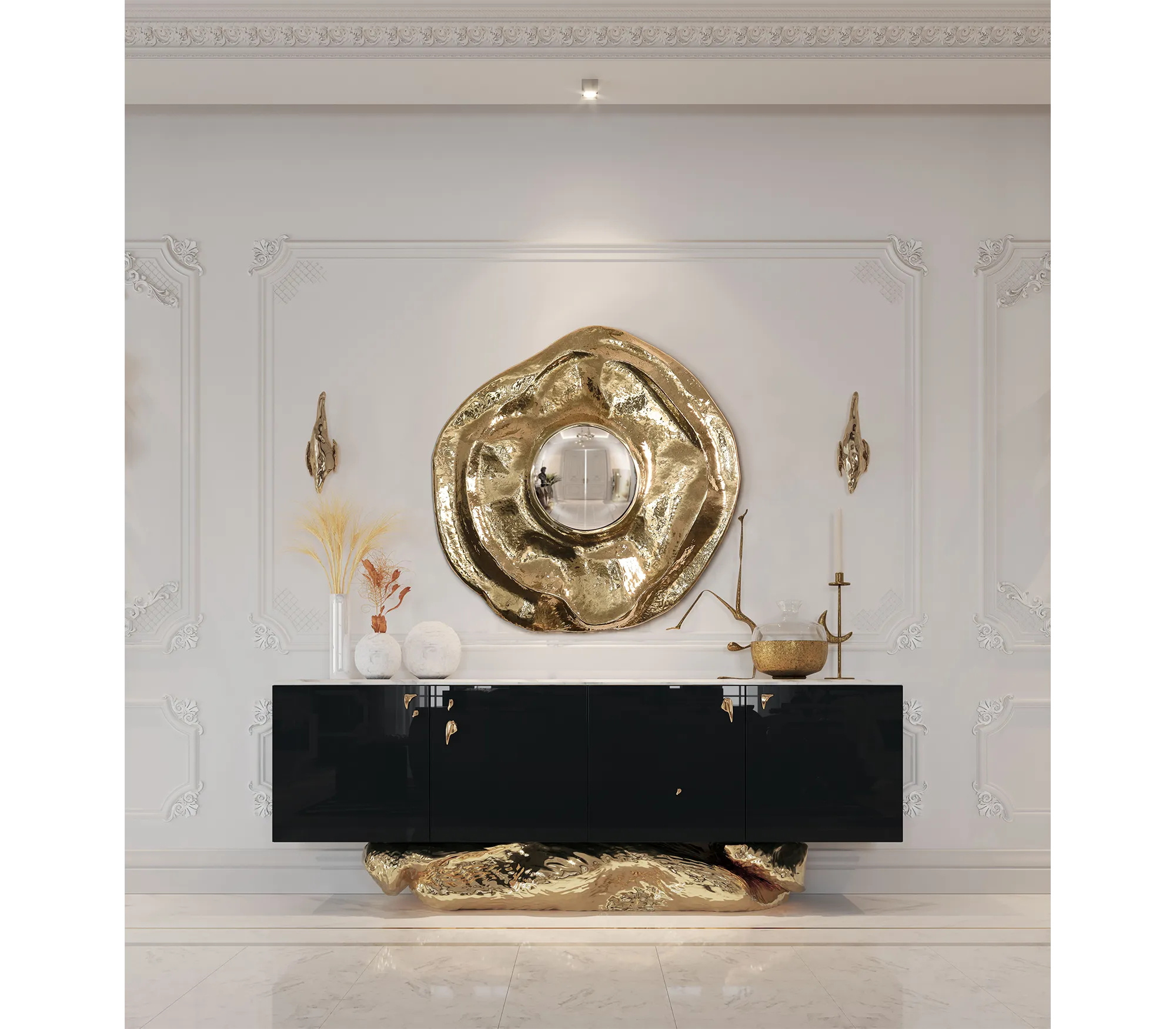
Designer Xena Lazarevica and XENA INTERIOR VISIONS show mirrors are more than just reflective surfaces — they are sculptural statements that elevate light, space, and style. We proudly collaborate with iconic European brands that redefine the mirror as a work of art, blending form and function with exceptional design.
Our curated collection includes the bold, artistic creations of Boca do Lobo and the refined contemporary designs of Essential Home, both from Portugal. From Italy, we present Arketipo, Riflessi, and Borzalino, offering mirrors that range from minimalist chic to dramatic luxury. We also feature the elegant and timeless mirrors of Ana Roque, bringing a distinct blend of Portuguese sophistication.
Whether you seek sculptural wall art or refined functionality, our mirror selection adds depth, brilliance, and character to interiors across Cyprus and beyond.
Types of Mirrors and Where to Use Them
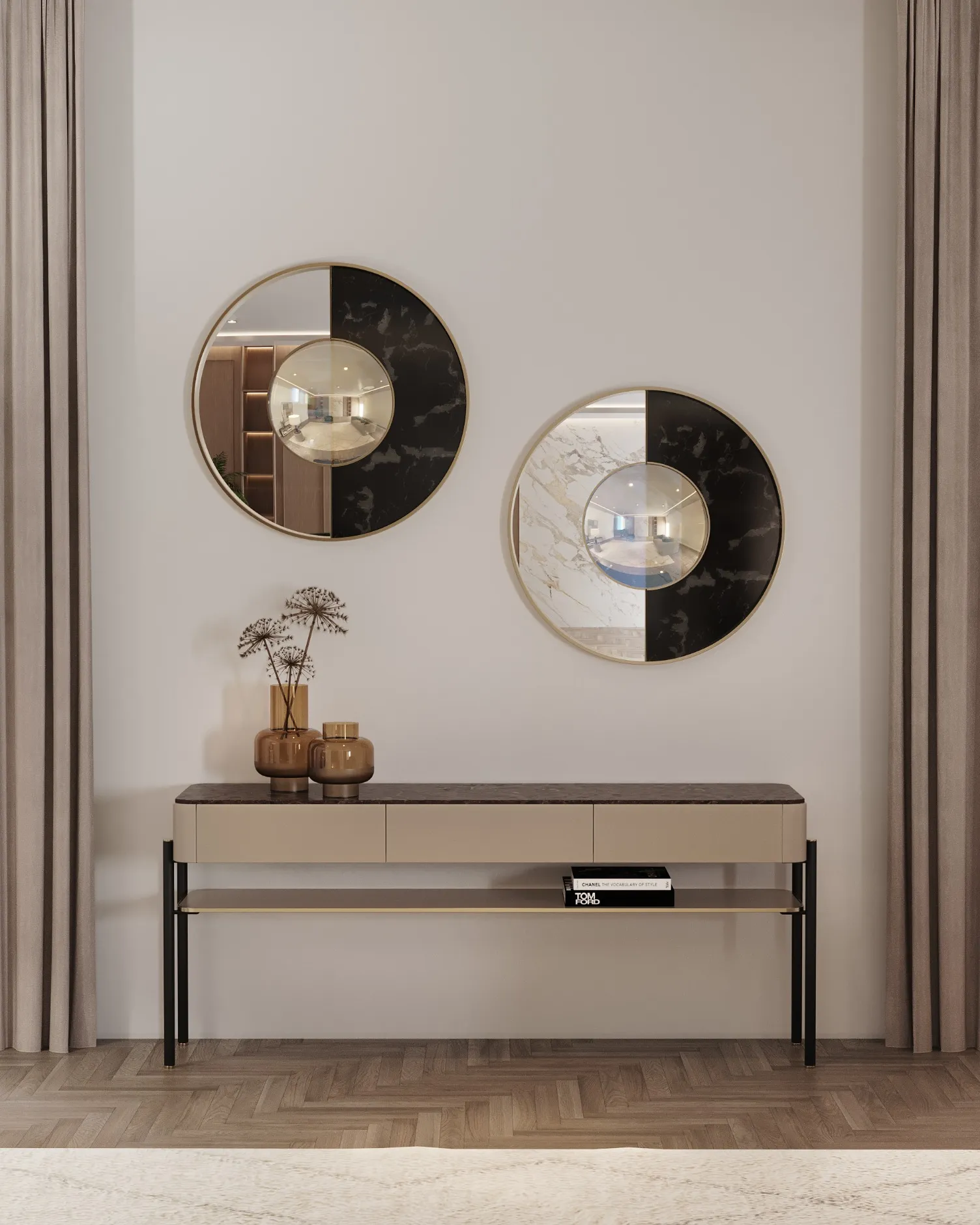
- Wall Mirrors: Available in a wide range of shapes and sizes, these are ideal for living rooms, bedrooms, and hallways. Can be purely decorative or combined with storage features.
- Vanity & Bathroom Mirrors: Often integrated with lighting or shelving, bathroom mirrors serve both beauty and grooming functions. Choose moisture-resistant materials for durability.
- Floor-Standing Mirrors: Perfect for dressing rooms, bedrooms, or boutiques. They add vertical emphasis and elegance while serving a practical role.
- Decorative & Accent Mirrors: These come in sculptural forms or with artistic frames—used to complement or elevate the space visually.
Choosing the Right Mirror: Function Meets Form
- Size & Proportion: Match mirror size to wall area or furniture scale. An oversized mirror above a small console may overpower the room, while a small mirror on a large empty wall may appear lost.
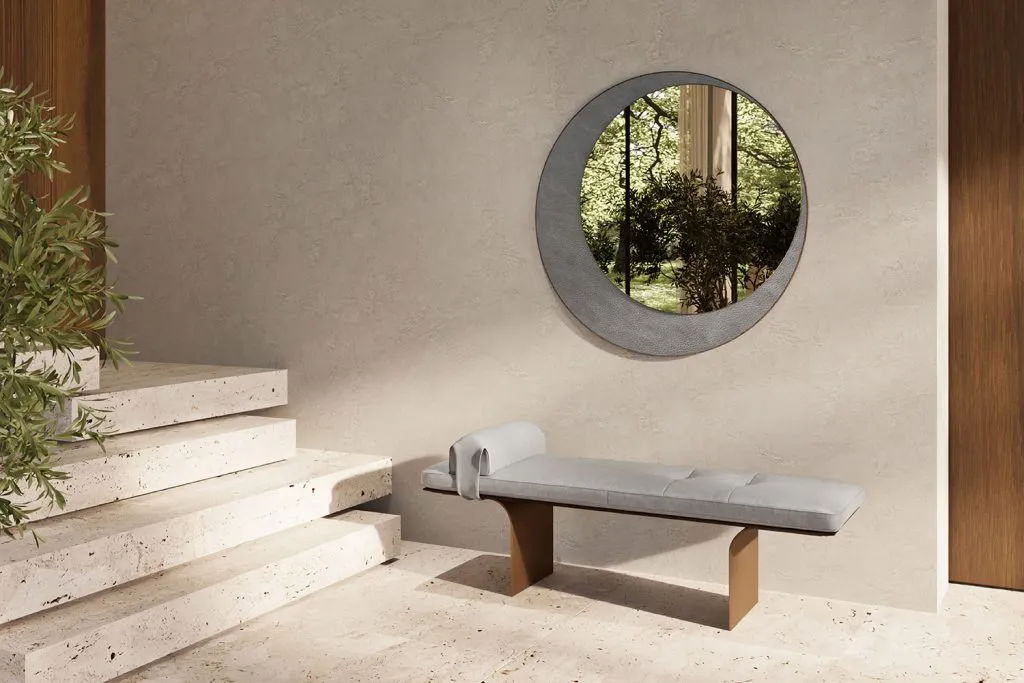
- Shape: Round mirrors soften sharp corners and create flow. Rectangular mirrors offer structure and alignment. Irregular or asymmetric shapes add a bold, artistic touch.
- Frame Style: Choose from minimalist metal, carved wood, gilded finishes, or no frame at all—each choice sets a different tone.
- Positioning: Place mirrors to reflect beauty—whether it’s a garden view, a chandelier, or a well-styled corner—not cluttered spaces.